Introduction
Property Settings help you configure your property data, and control how you present your properties to your guests on your website and channel OTA’s like Airbnb and Booking.com. Following the guidelines below will help you show your property details with clarity and precision.
Property Profile: Ensure every detail of your property is filled out, including the property name, unit space, location, type, tags, owner, and more, to provide a complete and professional presentation.
Property Photos: Upload high-quality images showcasing each room, exterior views, and special features. Add detailed and appealing descriptions to highlight unique aspects and amenities.
Amenities: Specify the amenities available to your customers.
Rate Settings: Develop flexible pricing strategies tailored to your business, including seasonal rate adjustments.
Policies: Manage bookings and create customer retention strategies while optimizing your business benefits.
Payment Settings: Seamlessly handle transactions through integration with leading payment gateways via GuestWisely.
Instructions: Provide clear, detailed instructions to enhance the guest experience and ensure customer satisfaction.
Other Settings: Oversee your services and financial details, such as taxes, expenses, and commissions, with ease.
Property Profile
The Property Profile section allows you to provide detailed information about your property. From adding essential details like property name, type, and address to including descriptive content and multimedia, this section is designed to help you optimize property visibility and functionality. Additionally, it includes tools for mapping, assigning owners, and enhancing searchability through filters and tags.
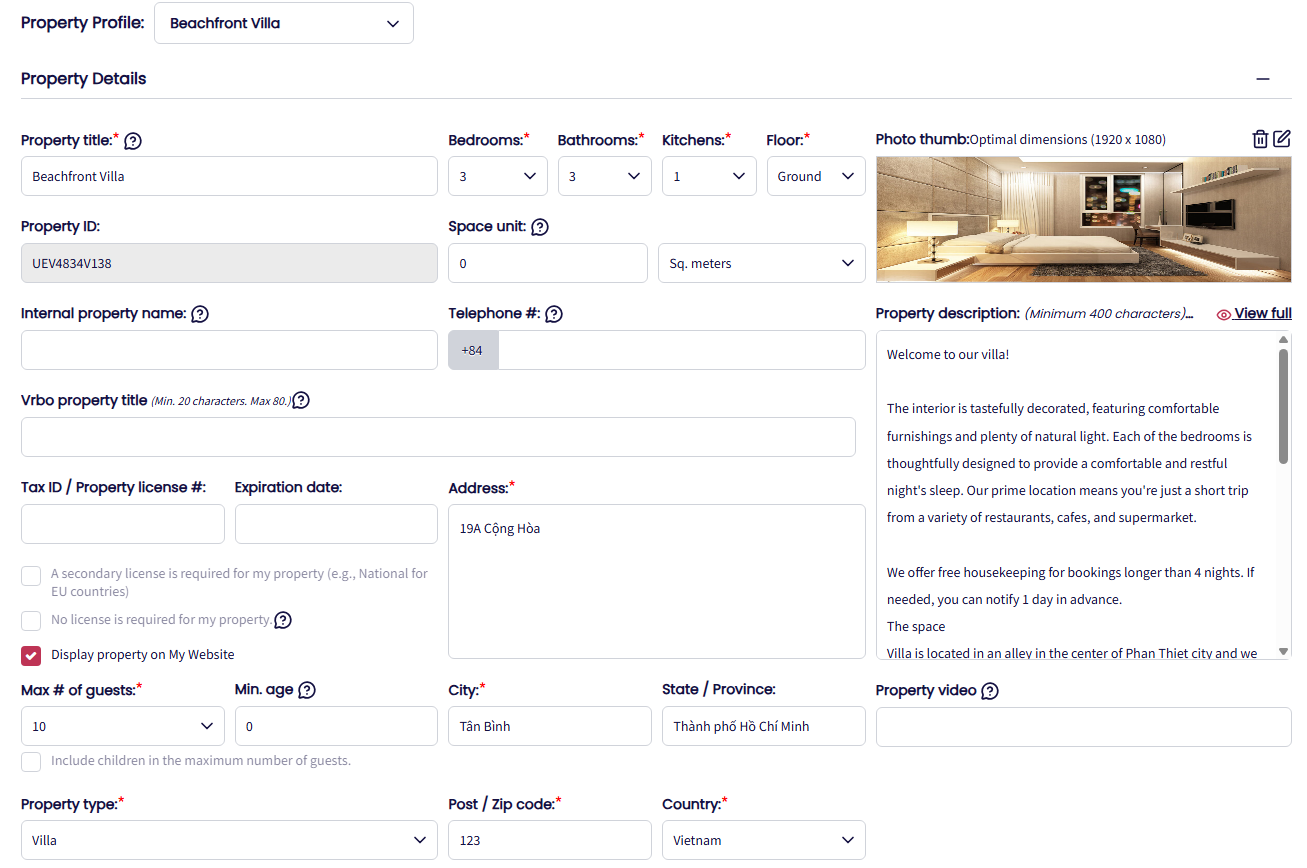
Property Details
Go to Property Settings > Profile to input property information.
Add property name, type, address, and other essential details.
Additional Information
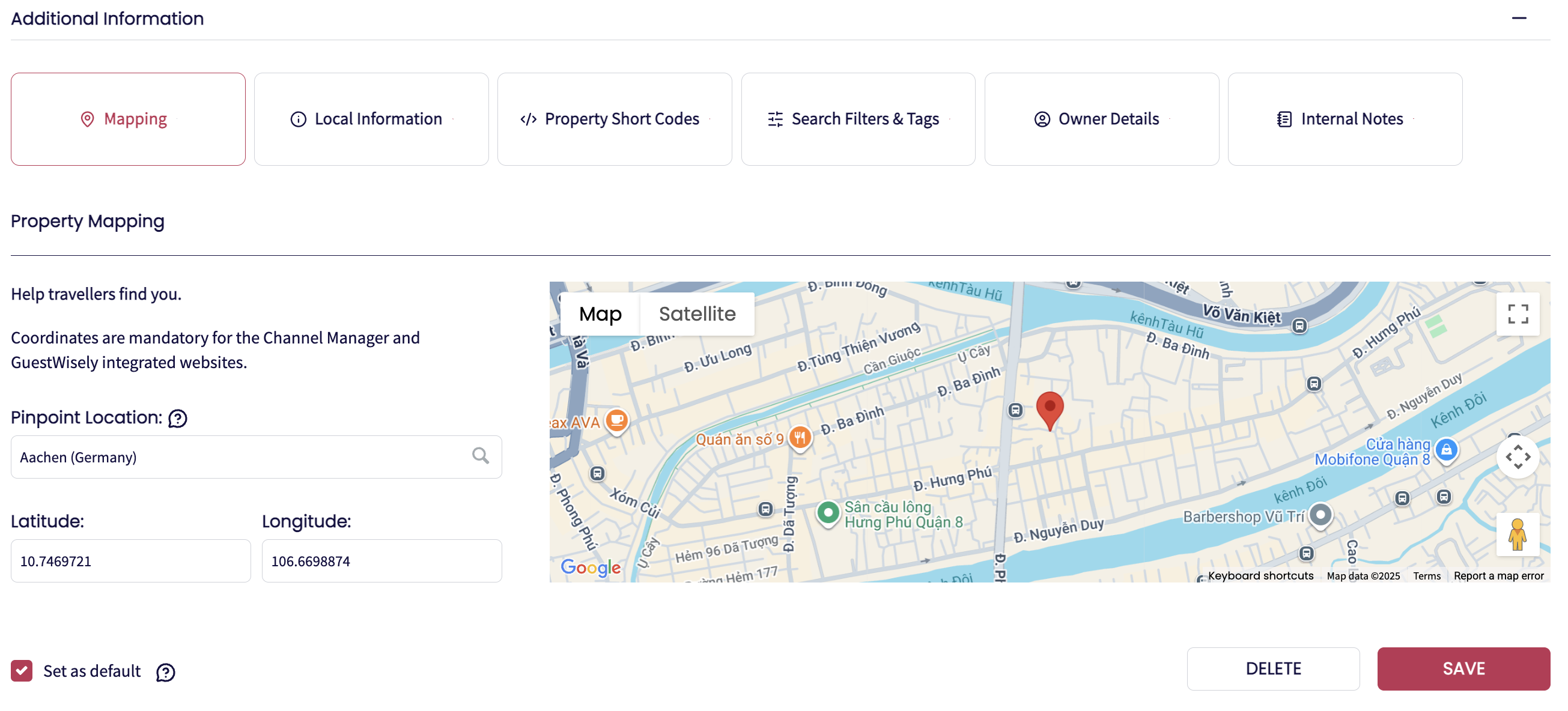
Mapping
Mapping will show you the location of the property, it integrates with your GuestWisely booking engine and channels to help travelers find your property easily. Search for your location in the “Pinpoint Location” field to pin it on the map:
Property Short Code
Insert short codes in automated messages or real-time emails to produce relevant static or dynamic content for this property
![Screenshot of the Property Short Code section in GuestWisely showing a table of available property shortcodes used in automated messages and emails, including Additional Field 1, 2, and 3 with corresponding shortcode tags ([ADDITIONAL_FIELD_1], [ADDITIONAL_FIELD_2], [ADDITIONAL_FIELD_3]) for inserting dynamic property content.](https://s3-eu-central-1.amazonaws.com/euc-cdn.freshdesk.com/data/helpdesk/attachments/production/201071394629/original/KVnL-EFquu96-psXGW9m6FND6pMSneDlPQ.jpeg?1757859693)
Search Filter & Tags
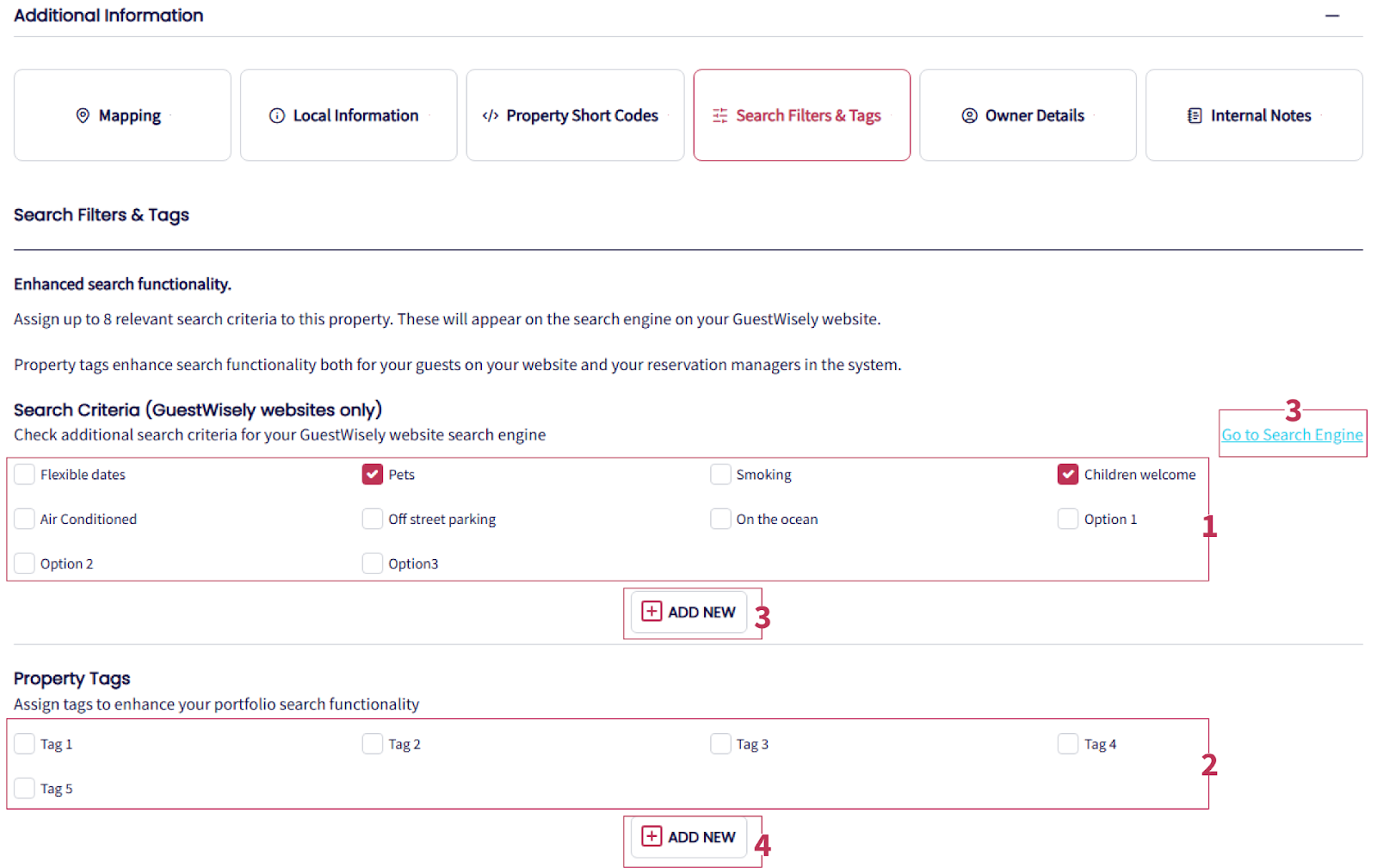
Search Filter: Assign up to 10 relevant search criteria to this property. These will appear on the search engine on your website.
Tags: Property tags enhance search functionality both for your guests on your website and your reservation managers in the system.
1. Select the related checkbox to enable/disable available Filters.
2. Select the related checkbox to enable/disable available Tags.
3. Click the “Go to Search Engine” hyperlink to go to the Search Engine page to manage filters or click on “Add new+” .
4. Click “Add new+” to go to the Tags management page to manage tags.
Owner Details
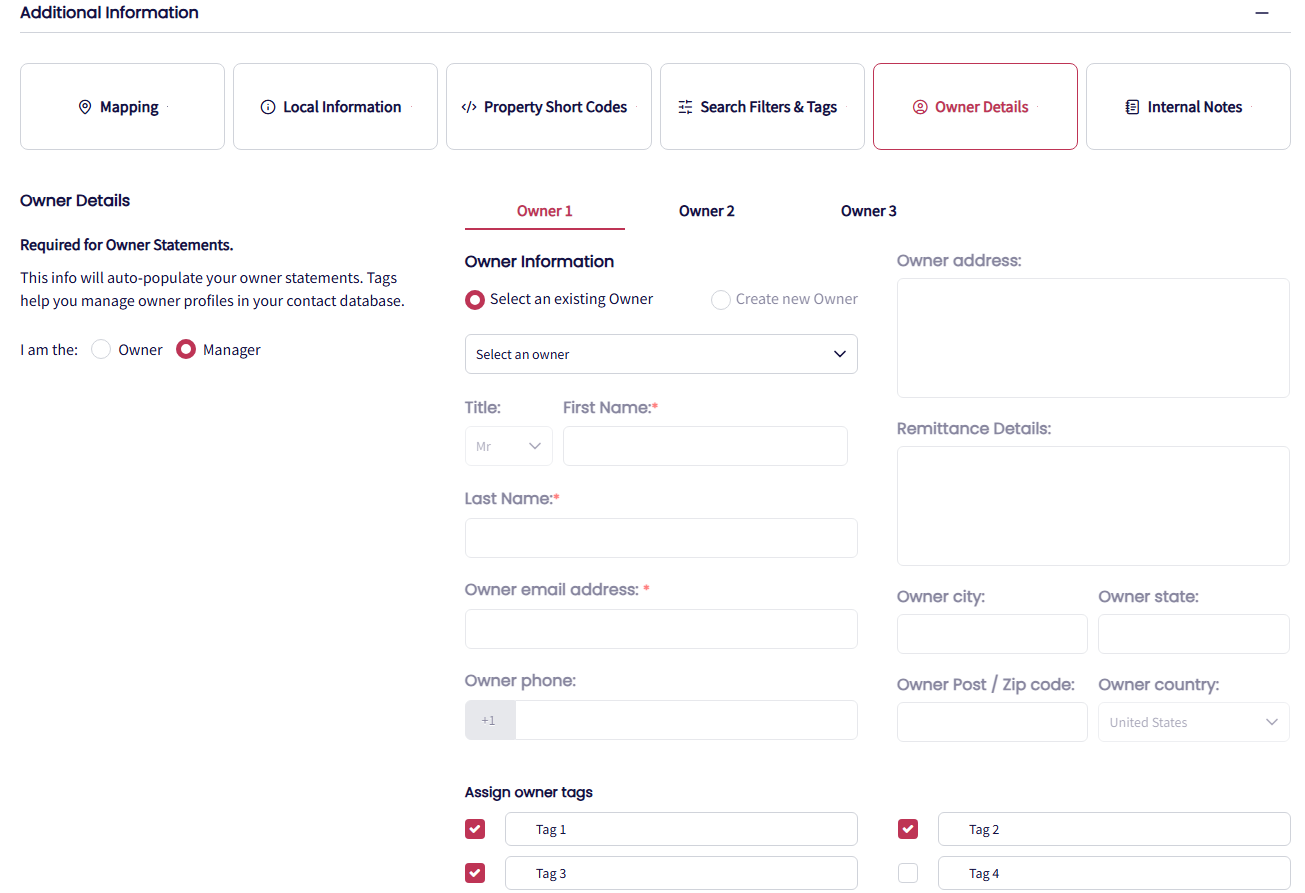
The Owner Details section allows you to assign owners to your properties and manage ownership information efficiently. Key benefits include:
Auto-Populated Owner Statements – The details entered here will automatically populate your owner statements, saving time and reducing manual work.
Automated Notifications – Booking notification and owner statements will be sent automatically to the owner based on your configured settings.
Multiple Owners per Property – You can assign up to three owners to a single property, ensuring flexibility in ownership management.
Additionally, you can assign tags to owners to further classify and differentiate them.
Set up your Owner Details by either selecting an existing owner or create a new one today for seamless property and owner statement management!
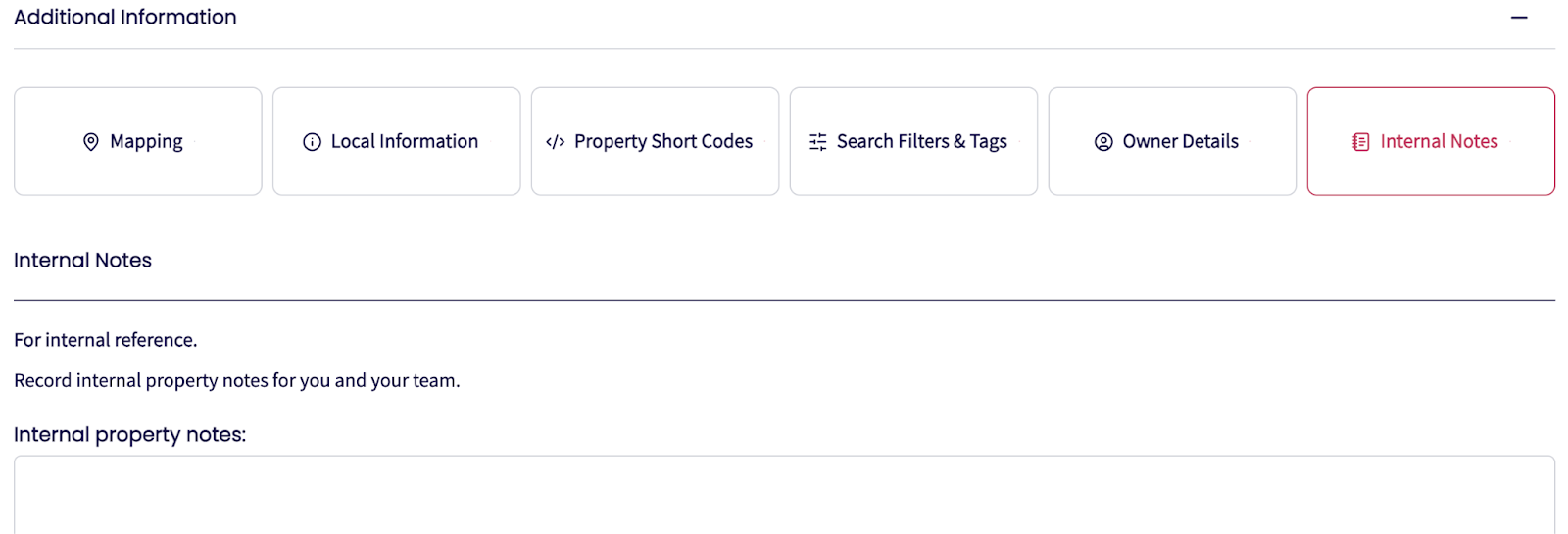
Internal Notes
Record internal property notes for you and your team.
Property Photos
Showcase your property with high-quality images that captivate potential guests. Include photos of every room, exterior views, and standout amenities, accompanied by detailed and appealing descriptions. Highlight unique features and special touches to make a lasting first impression and boost your booking potential.
Getting started is easy:
1. Drag and drop or click “Browse” to upload your property images.

Note: You need a minimum of 10 photos for your property profile and the image size can not be larger than 5MB
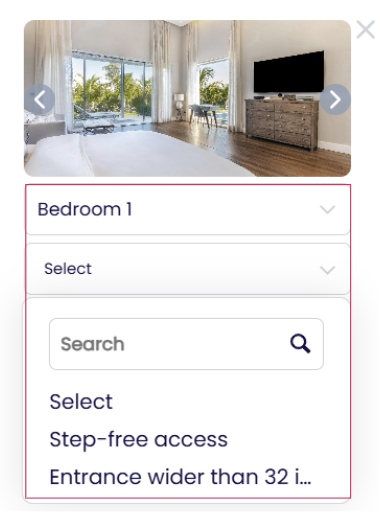
2. Choose a photo category from the dropdown menu. This is used for the Airbnb Photo Tour feature. Check more details here.
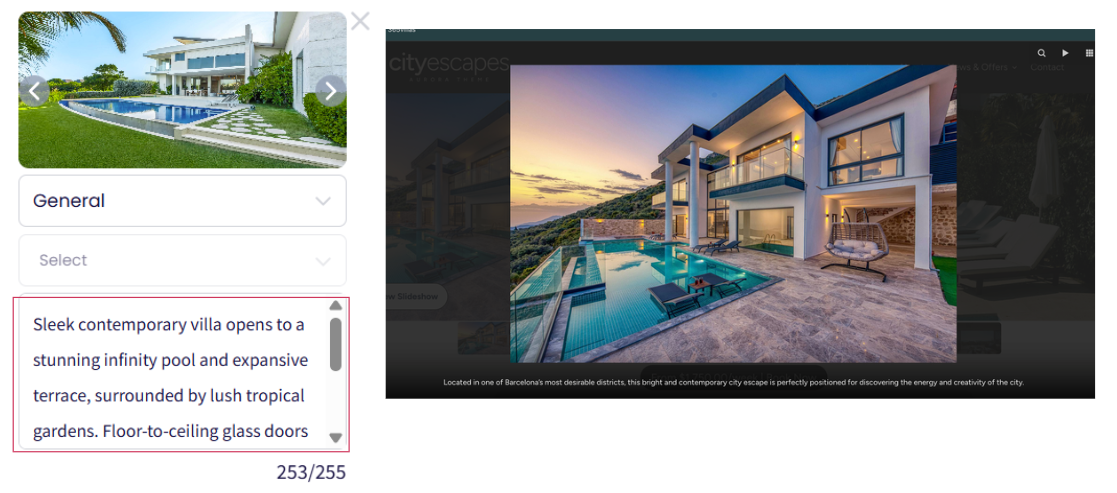
3. (Optional) Add Image Description.
Note: The Image Description field is currently mainly used for API integrations.
If you have a stand-alone/custom website, your Development Team may also be able to retrieve this information through the API and display it on your website frontend.
However, if you are using our WordPress plugin or GuestWisely website theme, the Image Descriptions should automatically appear below the images in the gallery.
4. Click Save
Amenities
Highlight your property’s amenities to provide guests with convenience and ensure they have an enjoyable holiday experience.
Property Information
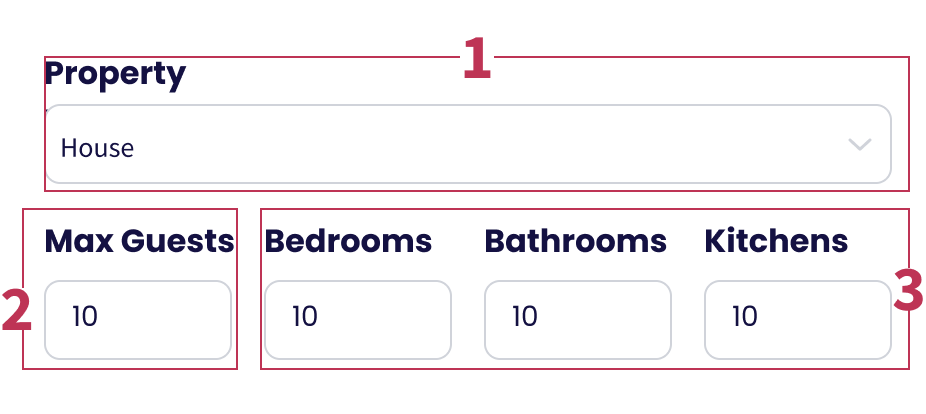
Provide details about your property, including its type, maximum guest capacity, and number of rooms, to help customers make the right choice for their stay.
1. Choose Property Type (e.g. studio, house, villa).
2. Enter the maximum number of guests in the Max Guests field.
3. Specify the number of rooms.
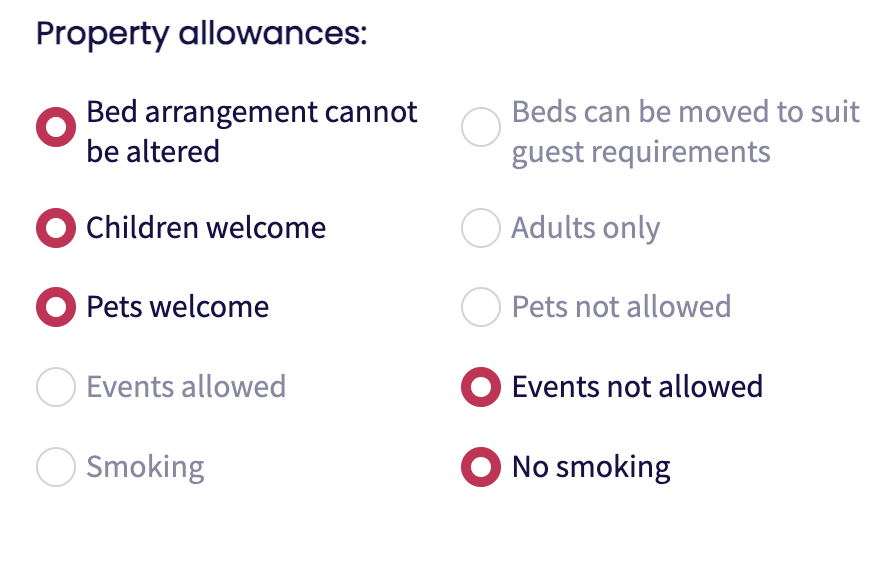
Property allowances
Set clear guidelines for guests during their stay. Specify allowances when using amenities in the property:
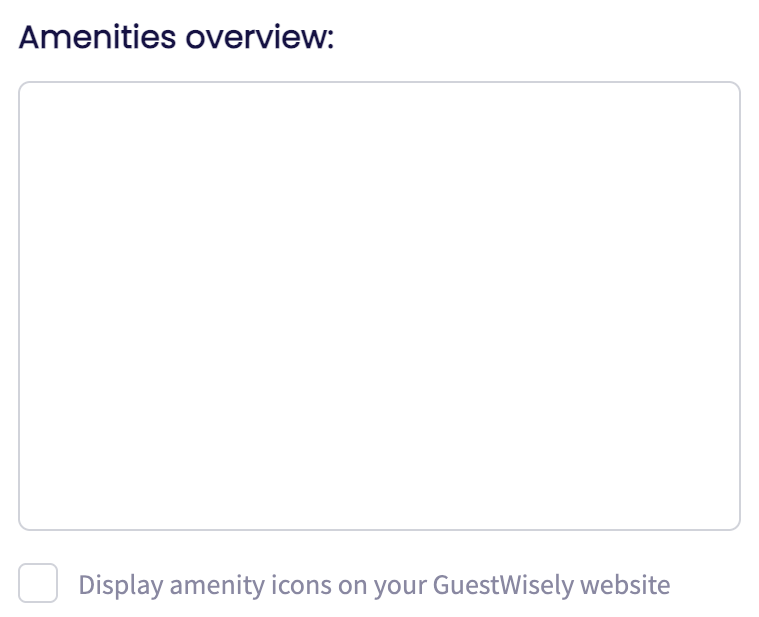
Amenities overview
Provide detailed descriptions of your property’s amenities to inform and attract guests and select an option to display amenities icons on your website.
When updating the Amenities tab > Property Information section, please make sure to click the UPDATE button in that section after making the change.
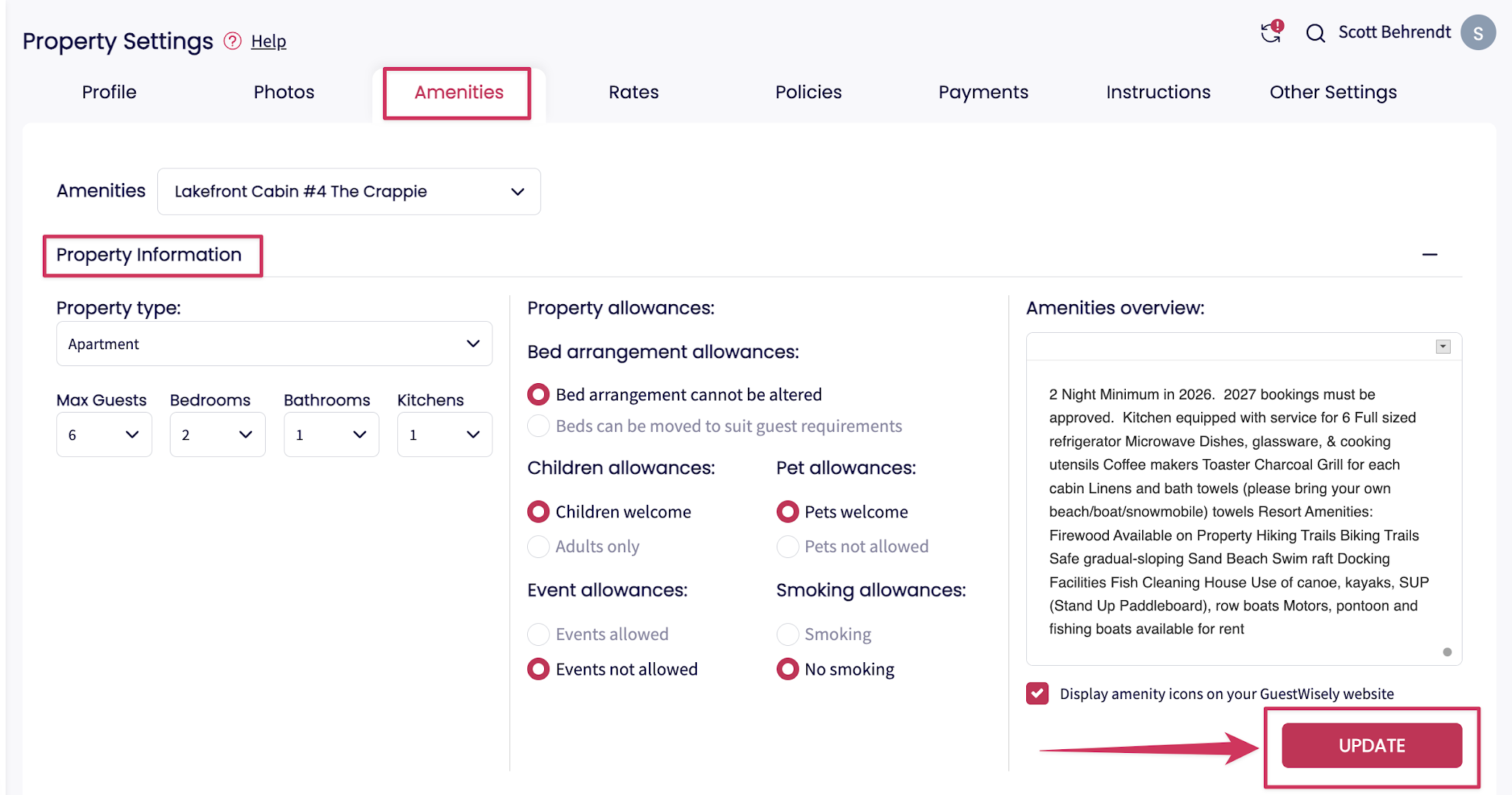
The SAVE button at the bottom of the page is only for saving changes made under Property Amenities section, so it will not save updates made in the Property Information section.
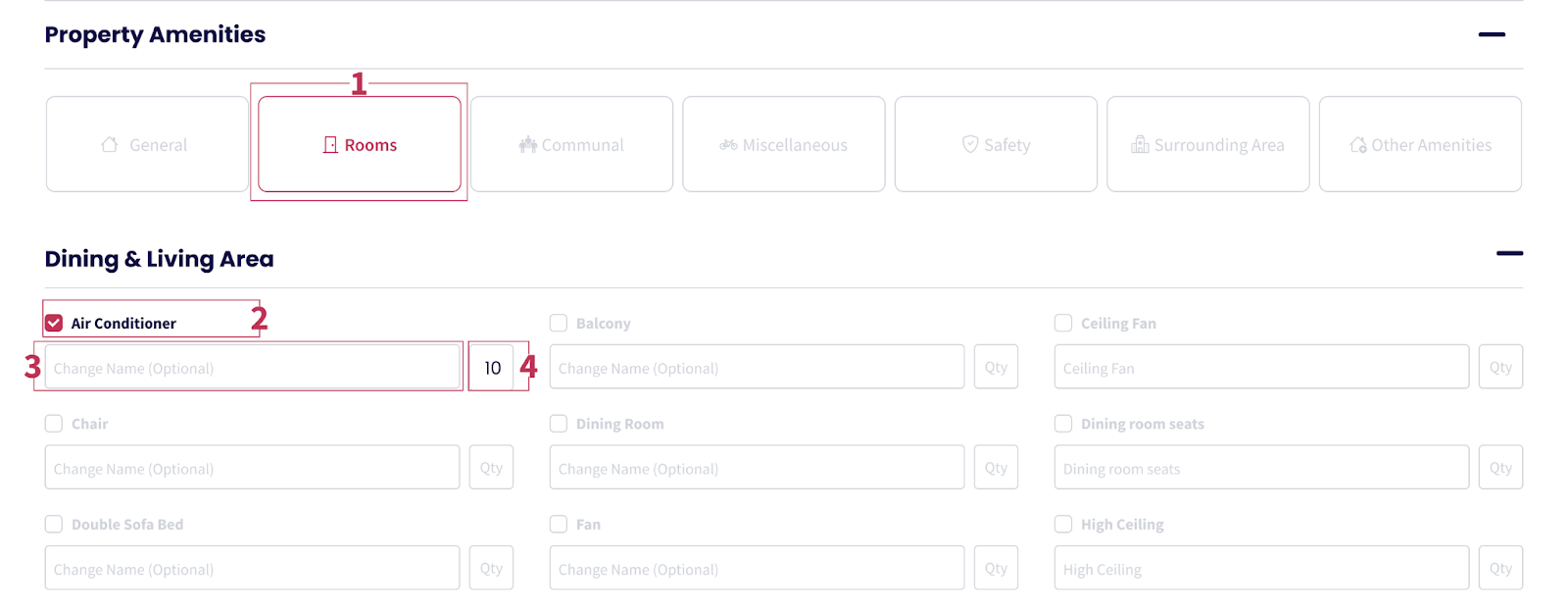
Property Amenities
Use this section to define and customize various amenities for your property.
Steps for customization:
1. Select the Property Amenities tab.
2. Check the desired amenities.
3. Optionally, provide an alternative name for an amenity.
4. Enter the quantity of each amenity.
Other Amenities
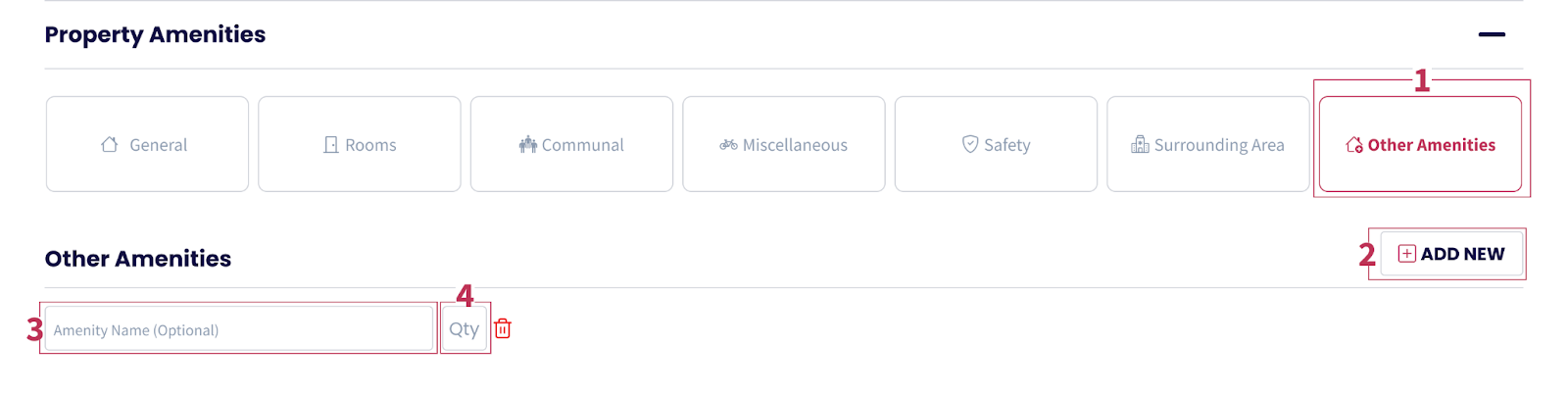
For special or custom amenities, use the Other Amenities tab. These settings will appear in the "Other" section of your website.
1. Navigate to the Other Amenities tab.
2. Click +Add New to add a new amenity.
3. Optionally, enter the name of the amenity.
4. Specify the quantity of the amenity.
Rates Management
Develop flexible pricing strategies tailored to your business, including seasonal rate adjustments.
Please refer to the full tutorial here for more details.
Payment Policies
Payment Policies help users manage guest payment by setting clear guidelines for Short Stay and Long Stay rentals.
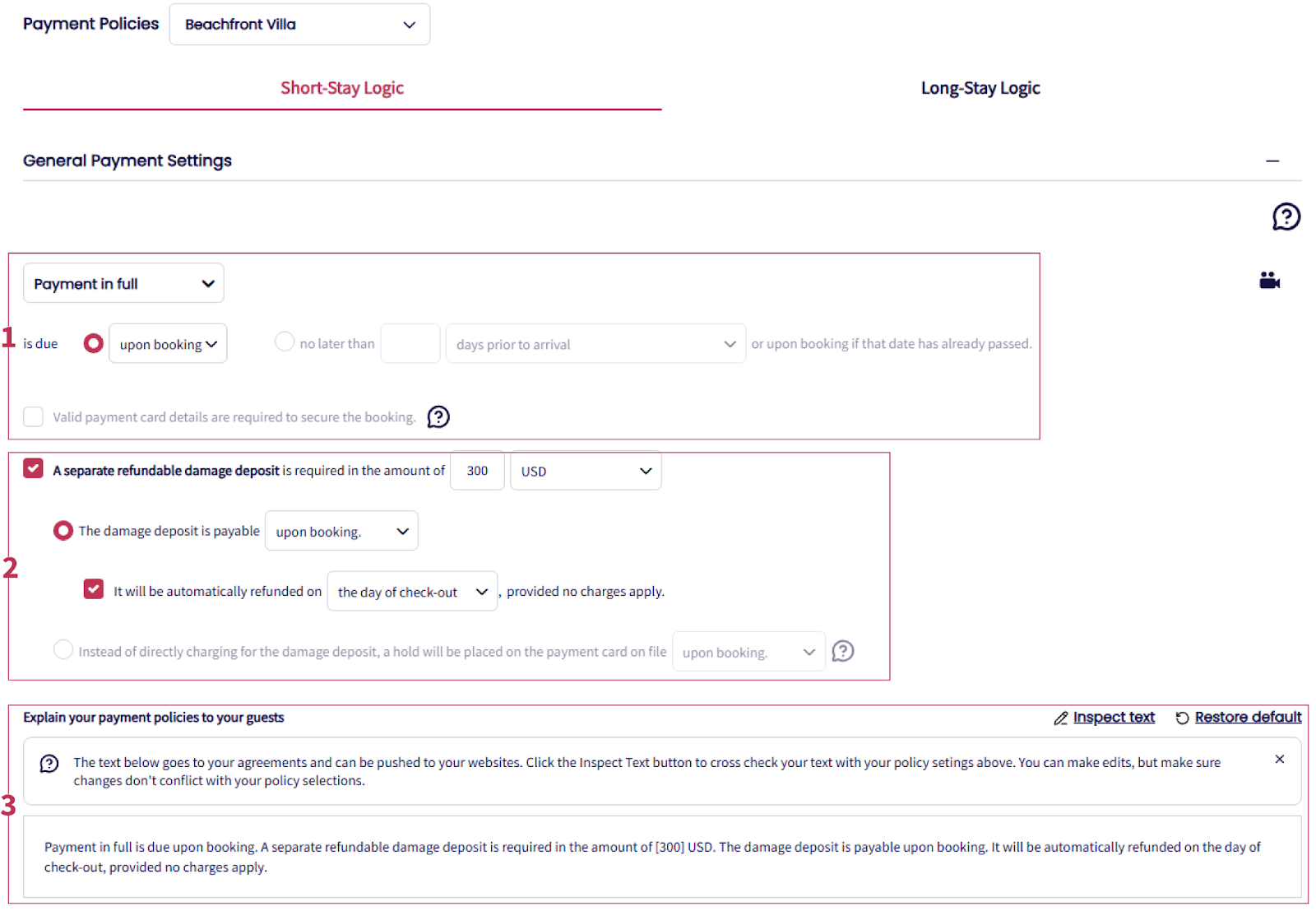
Short-Stay Logic General Settings
Access the Payment Policies: Navigate to Portfolio Manager > Property Settings > Policies on your Guestwisely dashboard. This is where you define the core payment structure for your property. Options include:
1. Deposit Amount: Specify the percentage or fixed amount required upfront to confirm a booking.
2. Installment Options: Decide if you want to allow guests to split their payment into installments.
3. Customize Statements: GuestWisely provides a statement text editor for you to edit your Payment Policies statements in the Rental Agreement and website.
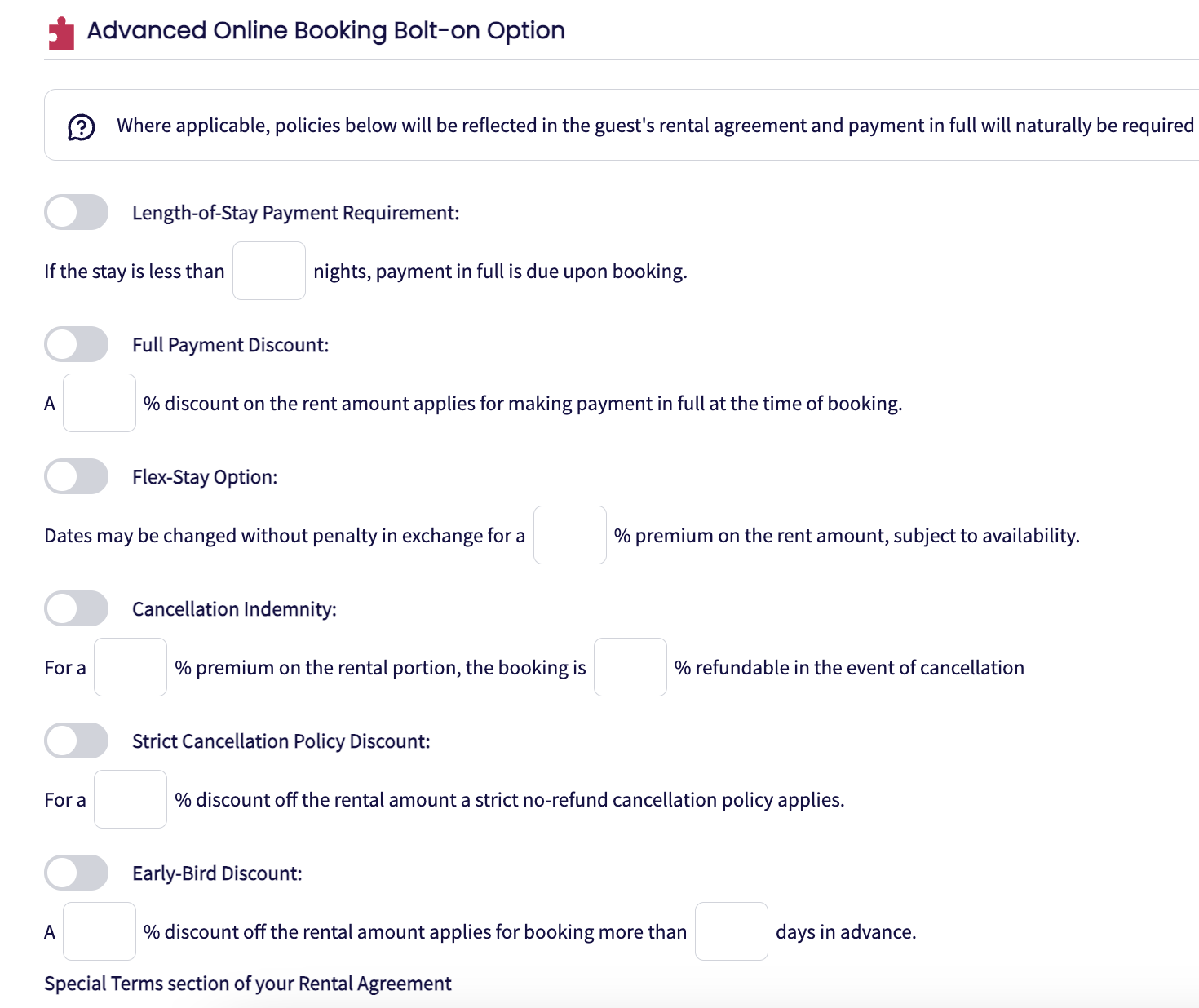
Advanced Online Booking Bolt-on Option
GuestWisely supports most cases that might happen in bookings with different Bolt-on options and enhances the payment experience with various payment options and discounts.
Cancellation Policy
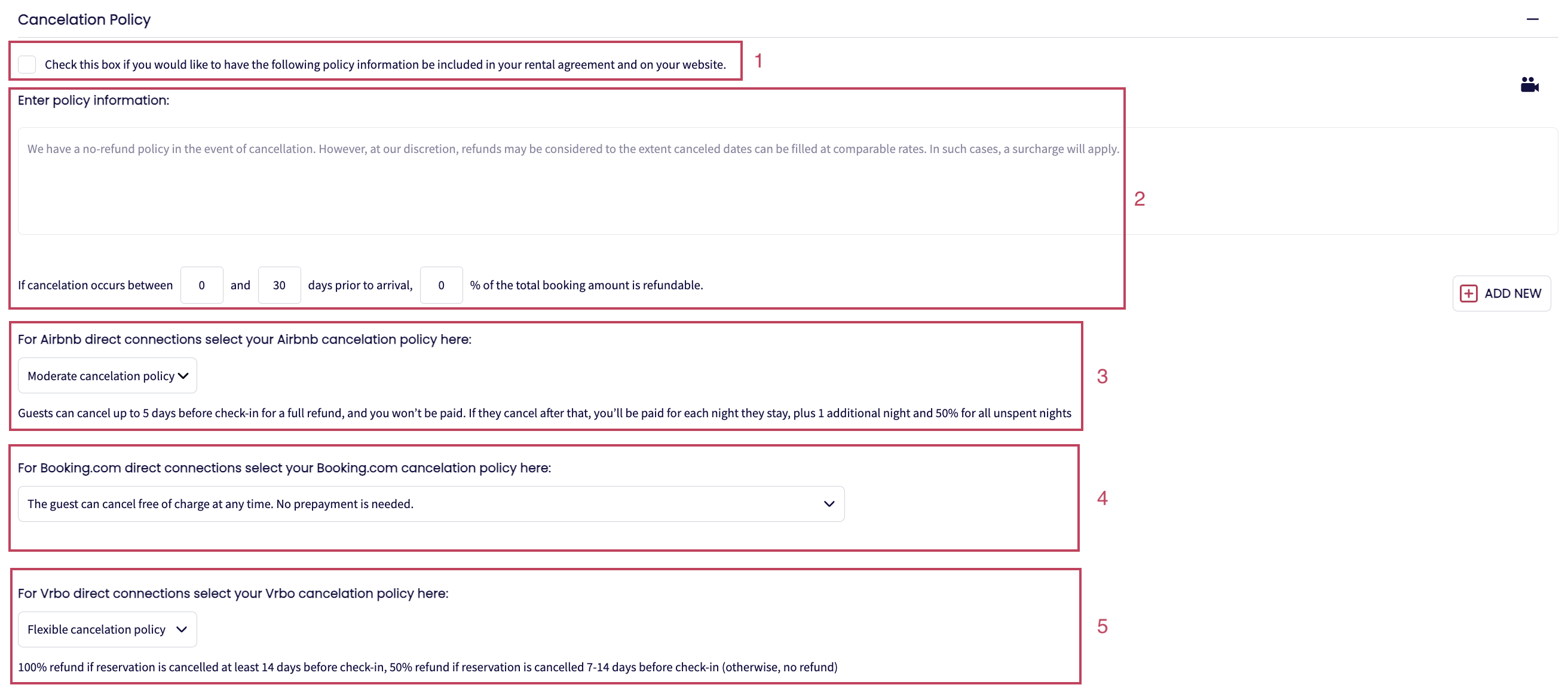
1. Cancelation Policy for Direct Bookings: You can manually set a Cancellation policy for bookings made directly through your website
2. Define Cancellation Rules: Create a rule-based policy specifying the percentage of the rental fee refunded for cancellations made within different timeframes.
3. Airbnb Integration: If you use the built-in Airbnb direct integration, you'll need to choose from their pre-defined cancellation policy options.
4. Booking.com Integration: If you use the built-in Booking.com direct integration, you'll need to choose from their pre-defined cancellation policy options.
5. Vrbo Integration: If you use the built-in Vrbo direct integration, you'll need to choose from their pre-defined cancellation policy options.
Retained Funds
Funds retained due to cancellations can be allocated to the Owner Statement for accounting purposes. This can be set as a default policy and also managed for individual bookings.

Long-Stay Logic Settings
If you are planning to offer extended stays alongside short-term bookings or cater exclusively to long-term tenants, GuestWisely provides dedicated settings within the Payment Policies section. Here, you have three options to choose from:
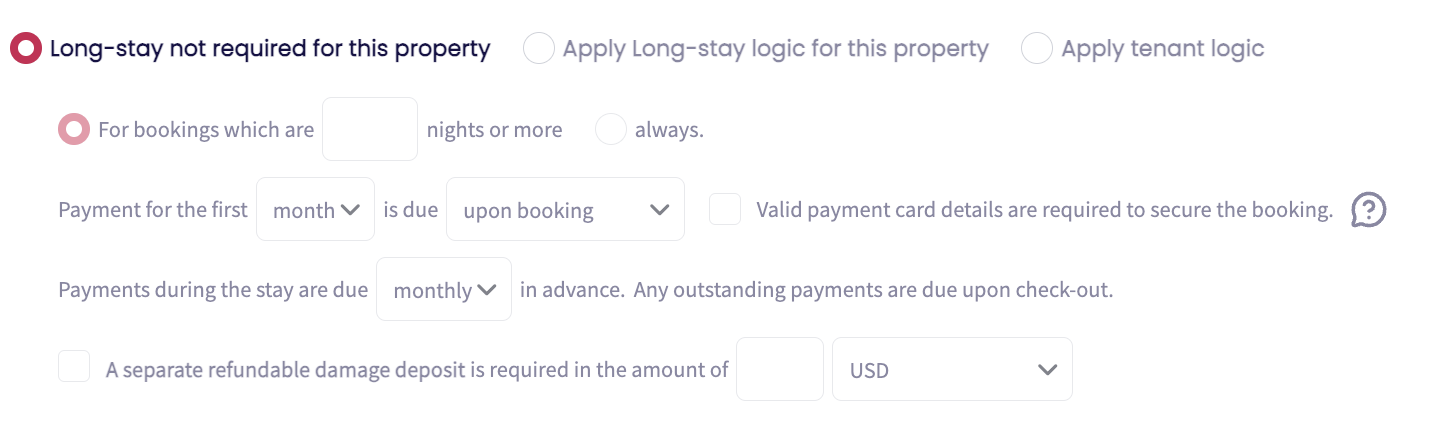
1. Long-Stay Not Required
Select this option if your property caters primarily to short-term rentals.
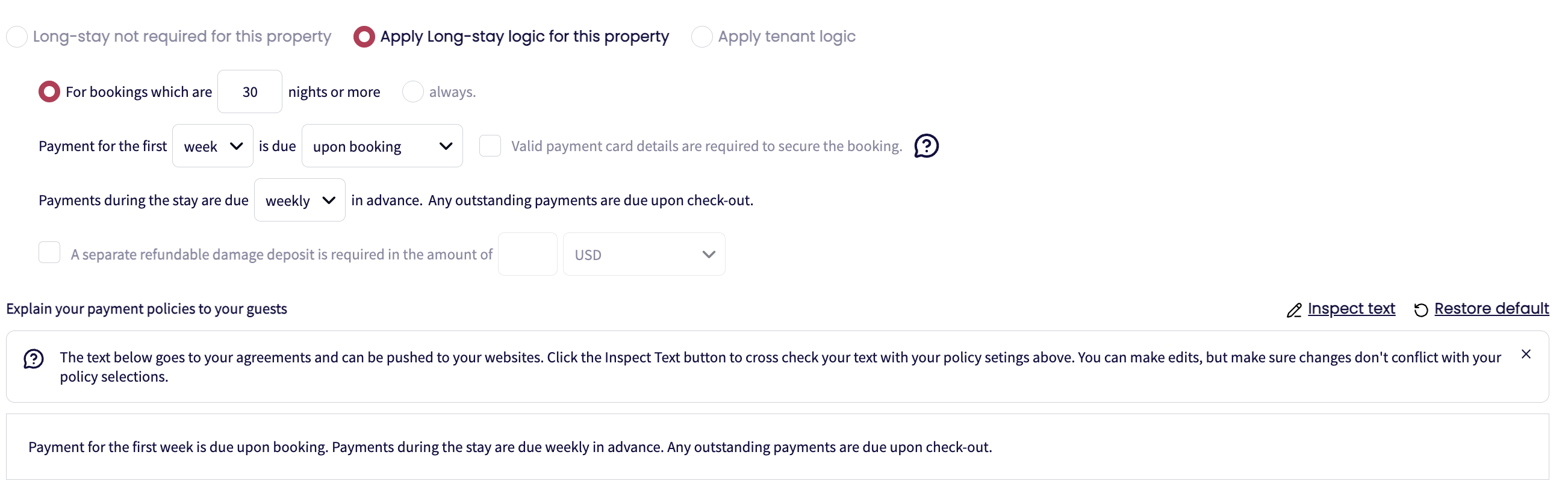
2. Apply Long-Stay Logic
Choose this option if you plan to offer long-term stays alongside short-term bookings. Here, you can define the following:
Minimum Long-Stay Duration: Specify the minimum number of nights required for a booking to be considered long-term.Payment Regularity: Determine how often you'd like to collect rent payments (e.g., monthly, quarterly).
Refundable Damage Deposit (Optional): Decide whether to include a refundable damage deposit for long-term stays.
Rates: Long-term pricing can differ from short-term rates. The Rates Table defines these Rates (accessible at Rates Table
3. Apply Tenant Logic
This option is ideal if you exclusively offer long-term rentals. Here, the system disregards the Rates Table and instead applies a fixed monthly charge for rent.
Total rental per month: Specify the rental amount of 30 nights required for a booking to be considered a tenant.
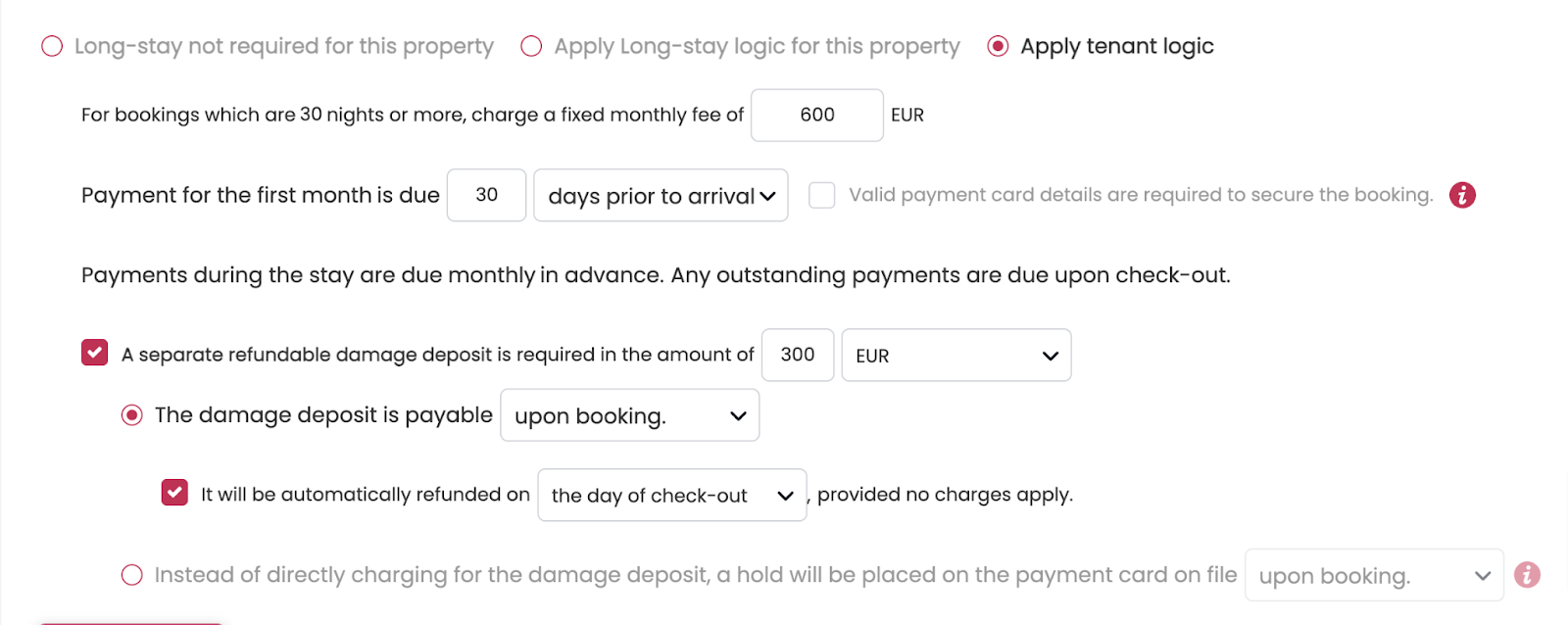
Payment Regularity: Determine how often you'd like to collect rent payments
Refundable Damage Deposit (Optional): Decide whether to include a refundable damage deposit for long-term stays.
Customize Guest Experience
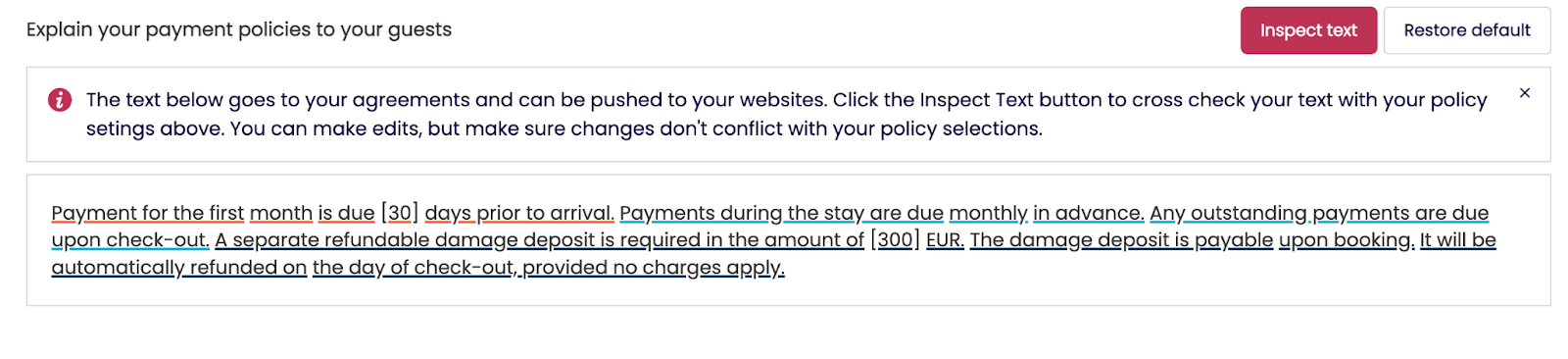
Explanatory Text: Like for Short-Stay, the system provides default text for your Rental Agreement and website explaining your policies. You can review and edit this text for better clarity.
Payment Settings
Payment Gateway Settings
To ensure all payment gateways function properly, you need to configure a key to connect with the Payment Gateway software.
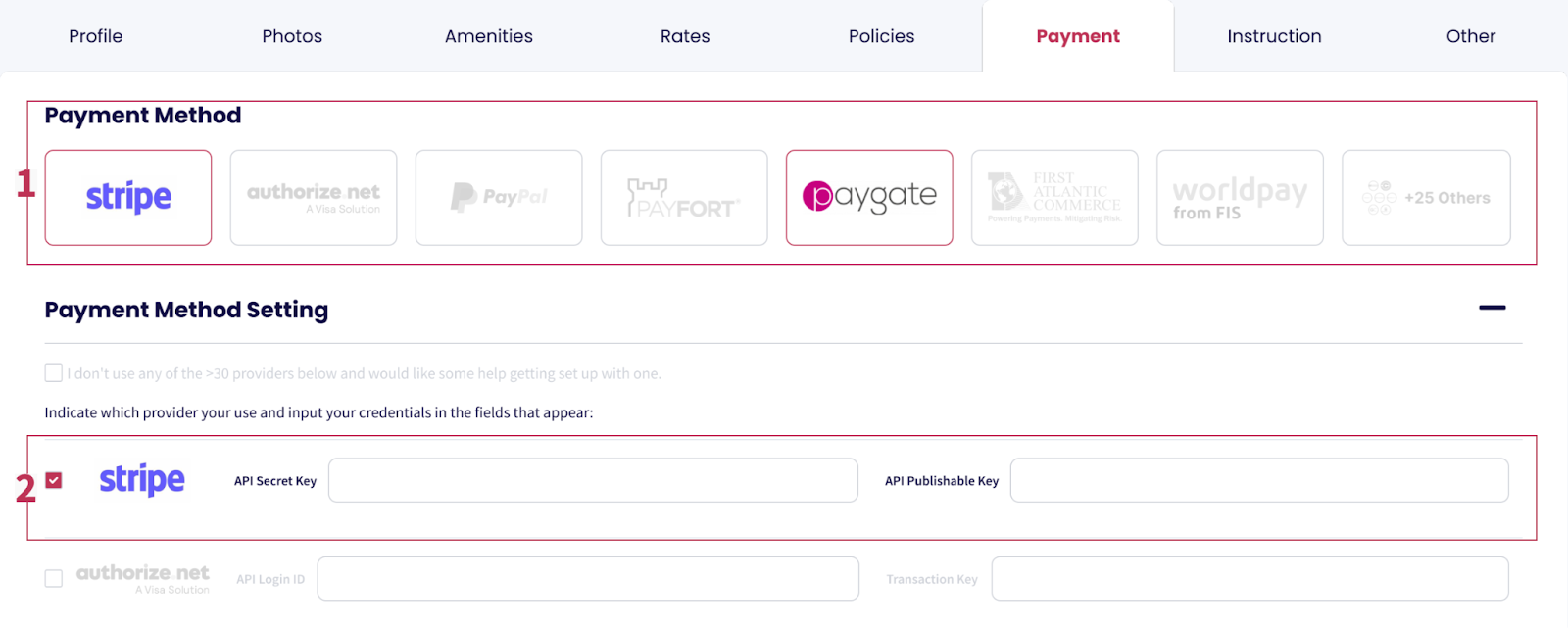
1. Navigate to Portfolio Manager > Property Settings > Payments Methods and select the payment gateway you’d like to use for that property.
2. Before you can use the payment gateway that you selected, you have to finish the setting of it in the payment setting below by selecting and entering the required Key.
Alternative Payment Method
If you choose not to use any of the Payment Gateways provided by GuestWisely, you can opt for traditional payment methods such as bank transfer, etc.
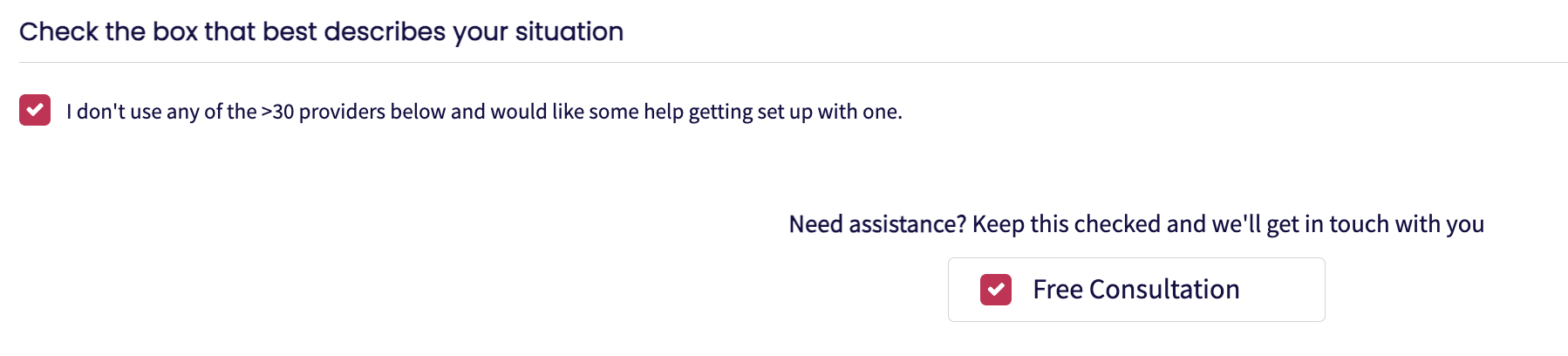
1. Select the option “I don't use any of the >30 providers below and would like some help getting set up with one.”
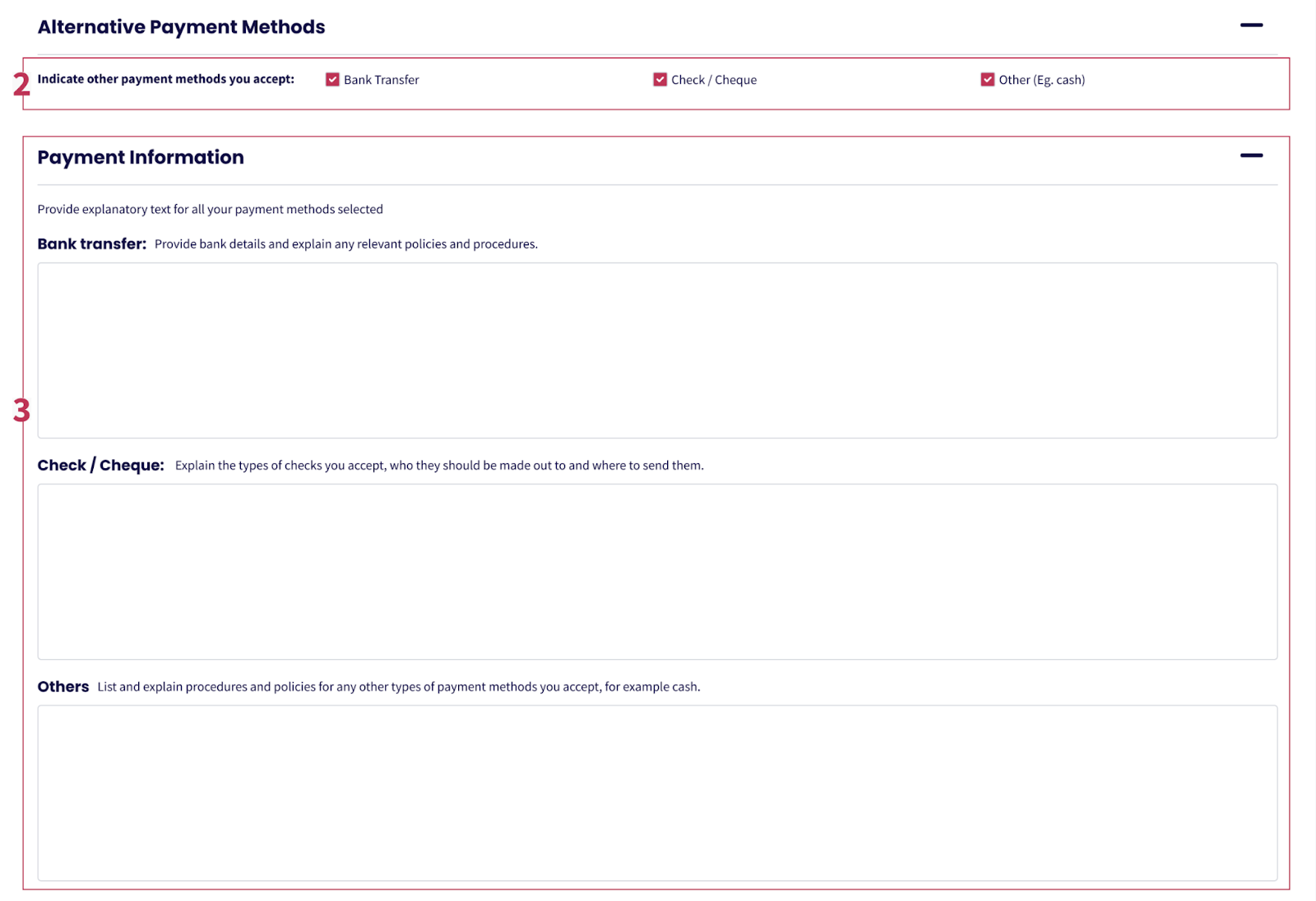
2. Indicate the other payments you accept: Bank Transfer, Check/Cheque, Other (cash).
3. Input Bank Transfer, Check/Cheque information or instructions for another type of payment.
Advanced Payment Manager Bolt-on Option
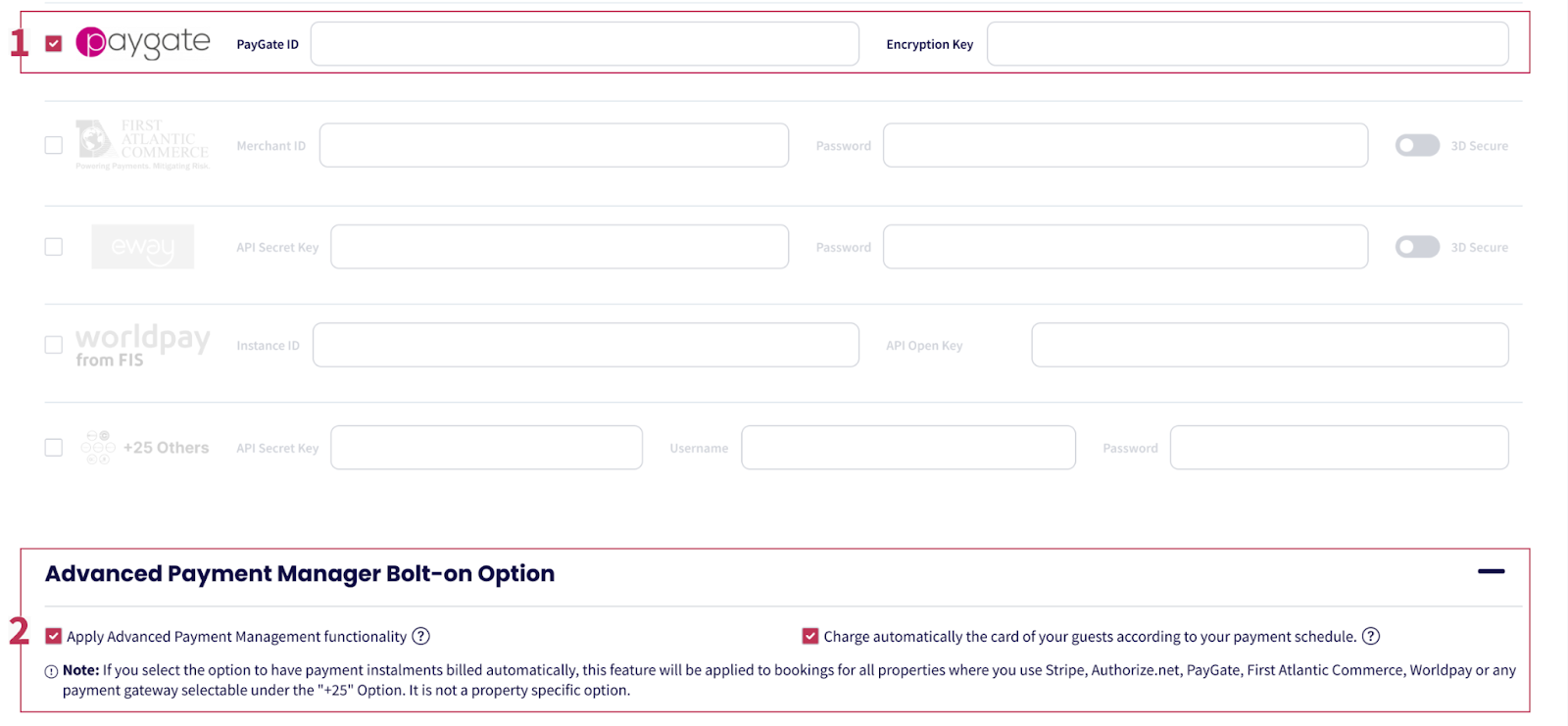
When you select any of the Payment Gateways, you can use the Advanced Payment Manager Bolt-on option (you need to purchase it first).
Apply Advanced Payment Management functionality: With Advanced Payment Management features, guests' payments will be automatically recorded in your GuestWisely account, and any second payment installments will be billed automatically. After the first payment is made, encrypted credit card details are stored in the system so you can bill or refund your guest’s card on-demand from GuestWisely.
Automatically charge the card of your guests according to your payment schedule.
Note: If you select the option to have payment installments billed automatically, this feature will be applied to bookings for all properties where you use Stripe, Authorize.net, PayGate, First Atlantic Commerce, Worldpay, or any payment gateway selectable under the "+25" Option. It is not a property-specific option.
1. Choose any of the Payment Gateways.
2. Select the “Advanced Payment Manager Bolt-on Option” .
Instructions Settings
Providing clear and concise instructions helps ensure a flawless experience for your guests. Here’s a guide to setting up policies, directions, and rules for your property:
Logistics
Check-In/Out Policies
The settings outlined in the Check-In/Check-Out rules and policy section apply to all bookings for the selected property or any additional properties included when saving the settings.
Check-In Time: The earliest time guests can check in.
Latest Check-In Time: The latest time guests are allowed to check in.
Check-Out Time: The designated time for guests to check out.

Exceptions and Fees
Exceptions and Fees allow you to set charge fees for Check-In and Check-Out exceptions in addition, if your guest can not meet your Check-In or Check-Out times when they create a booking on the Rentals United page.
Steps to create an exception policy:
1. Click Add New+ to create a new exception.
2. Choose the exception type.
3. Set the applicable time.
4. Enter the fee amount.

Instructions for Guests
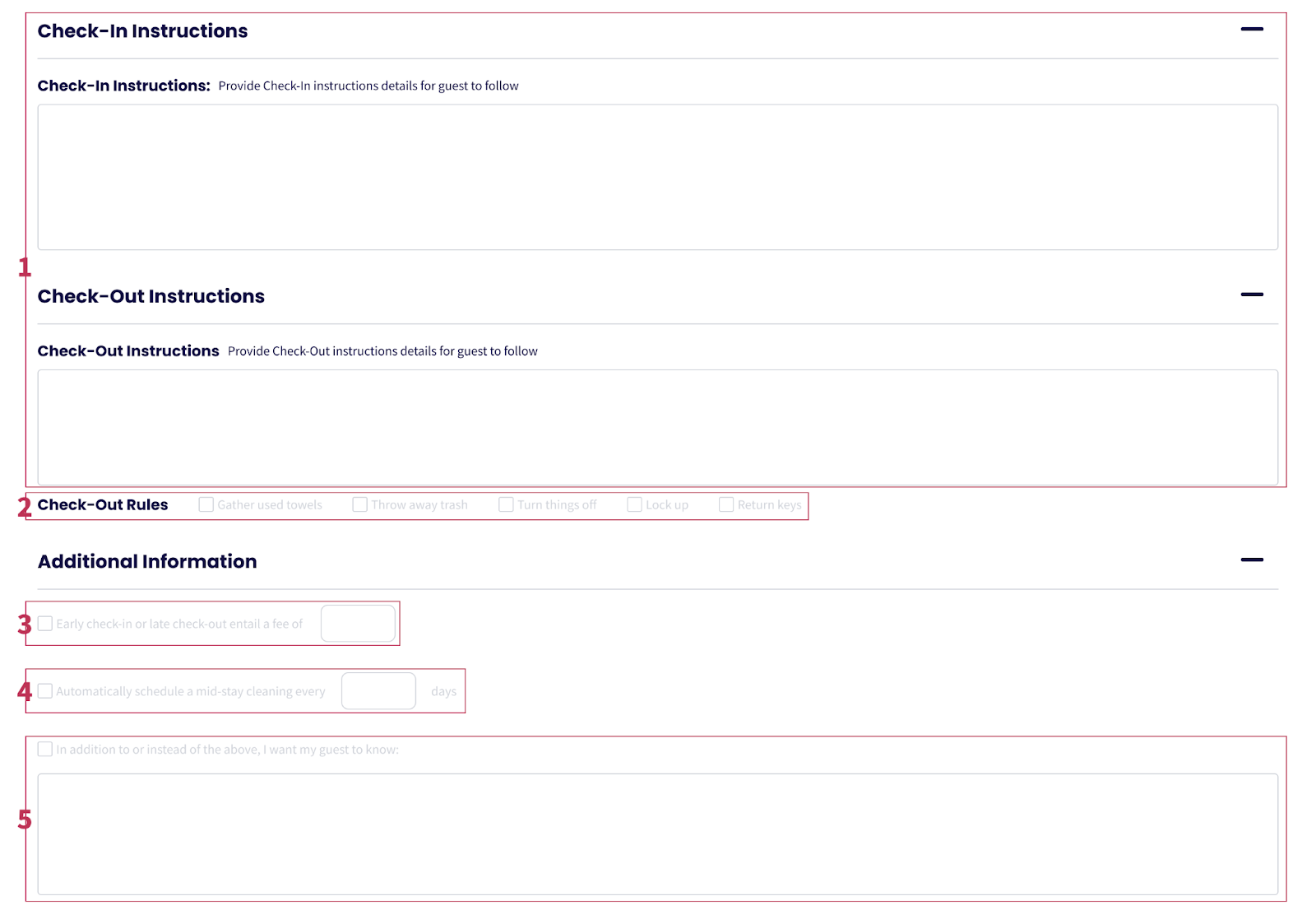
These Instructions will be displayed on your website and your GuestWisely Guest App to ensure your guests have a seamless check-in experience:
Steps for entering instructions:
1. Fill in the check-in and check-out instructions fields.
2. Specify requirements for check-out.
3. Review and include fees for early/late check-in or check-out.
4. Set the interval for mid-stay cleaning.
5. Add any other guest information.
Directions
Help guests easily locate your property and check-in area with clear instructions:
1. Specify the check-in location.
2. Choose an upload option (e.g., map, PDF).
3. Write a description.
4. Upload a map or file.
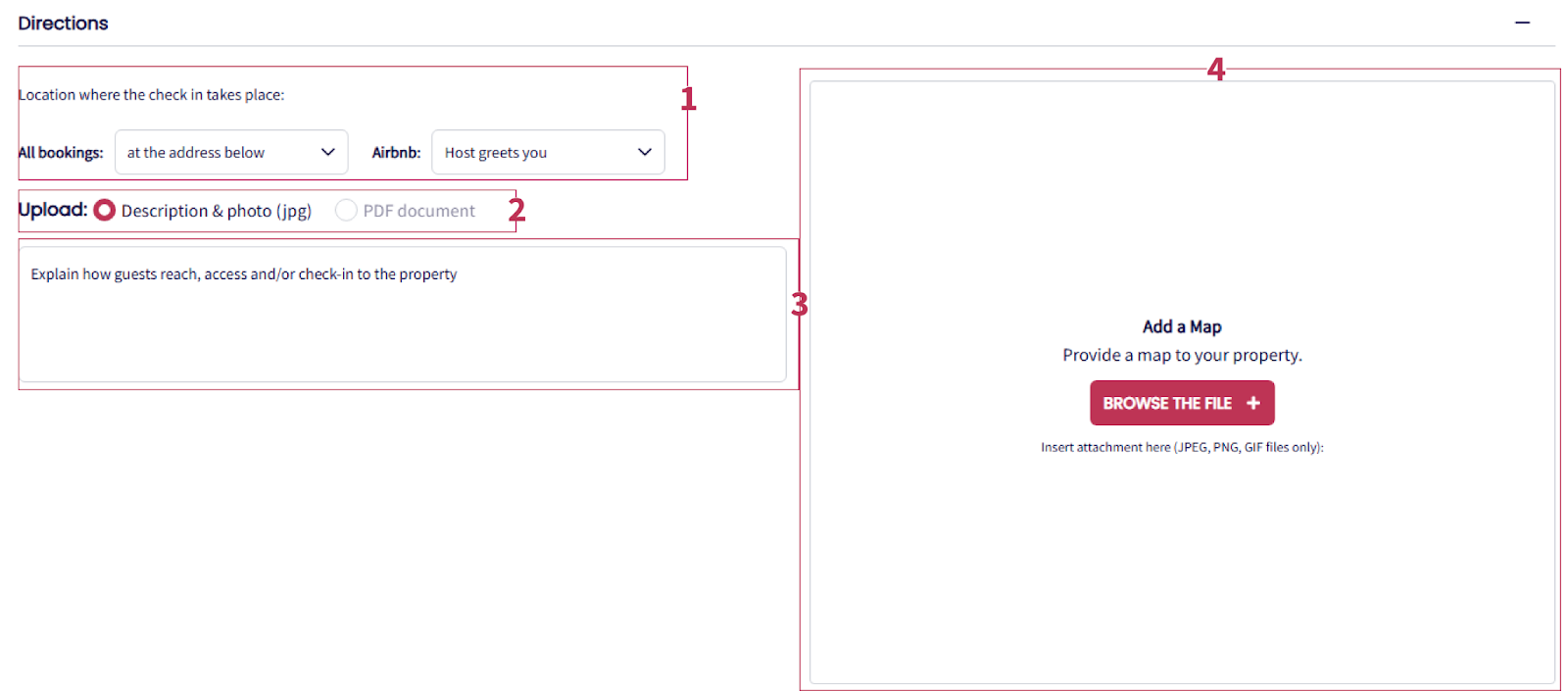
Note: For PDF uploads, simply attach the file without including a description.
House Info & Rules
Provide essential property details and guidelines for guests:
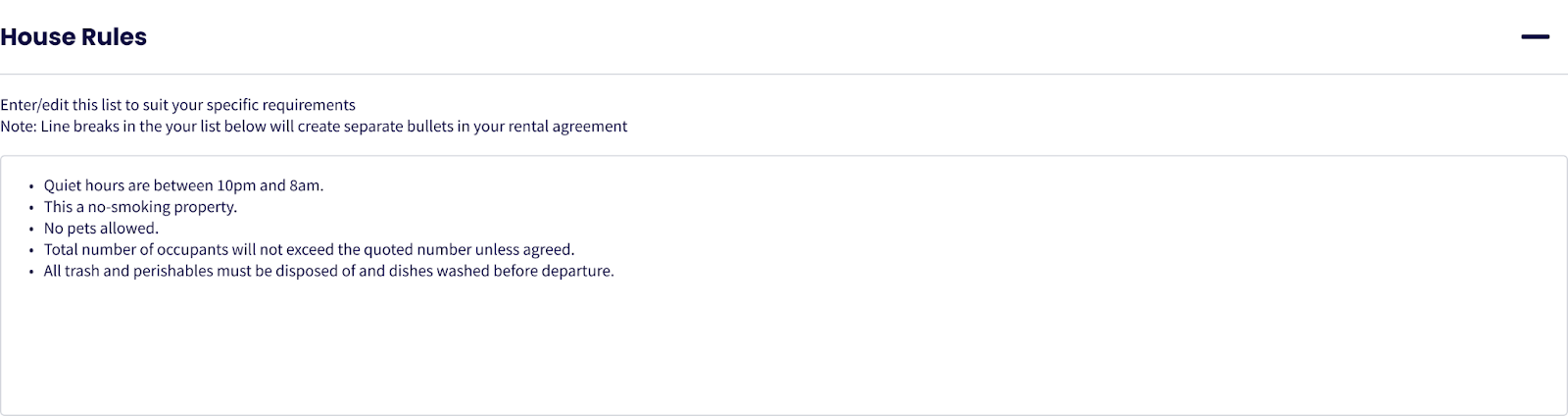
House Rules: Include any rules for the property.
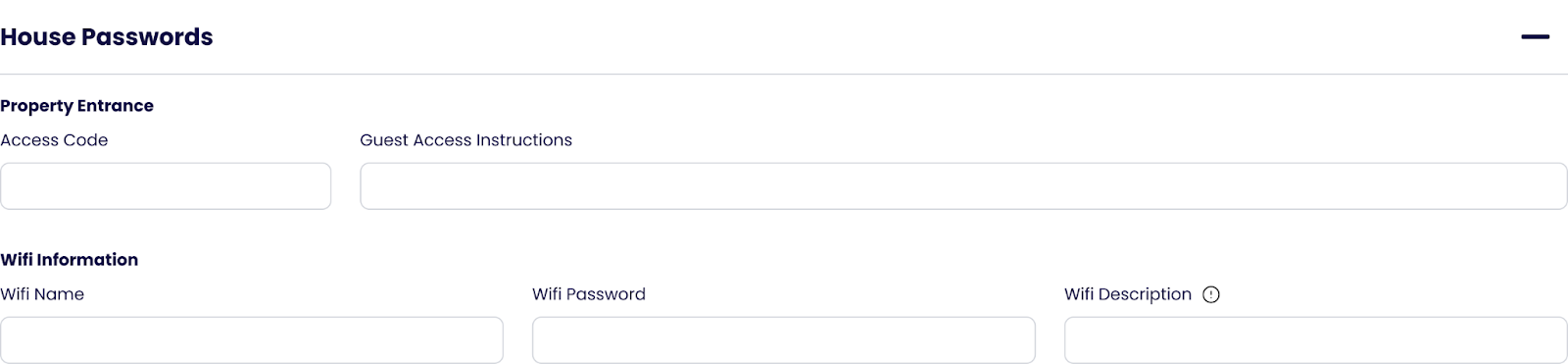
House Access:
Entrance Instructions: How to access the property.
Access Code: Any door code or password.
Wi-Fi Details: Network name, password, and usage tips.
Trash & Recycling: Explain proper disposal and recycling procedures.
Others Settings
Taxes
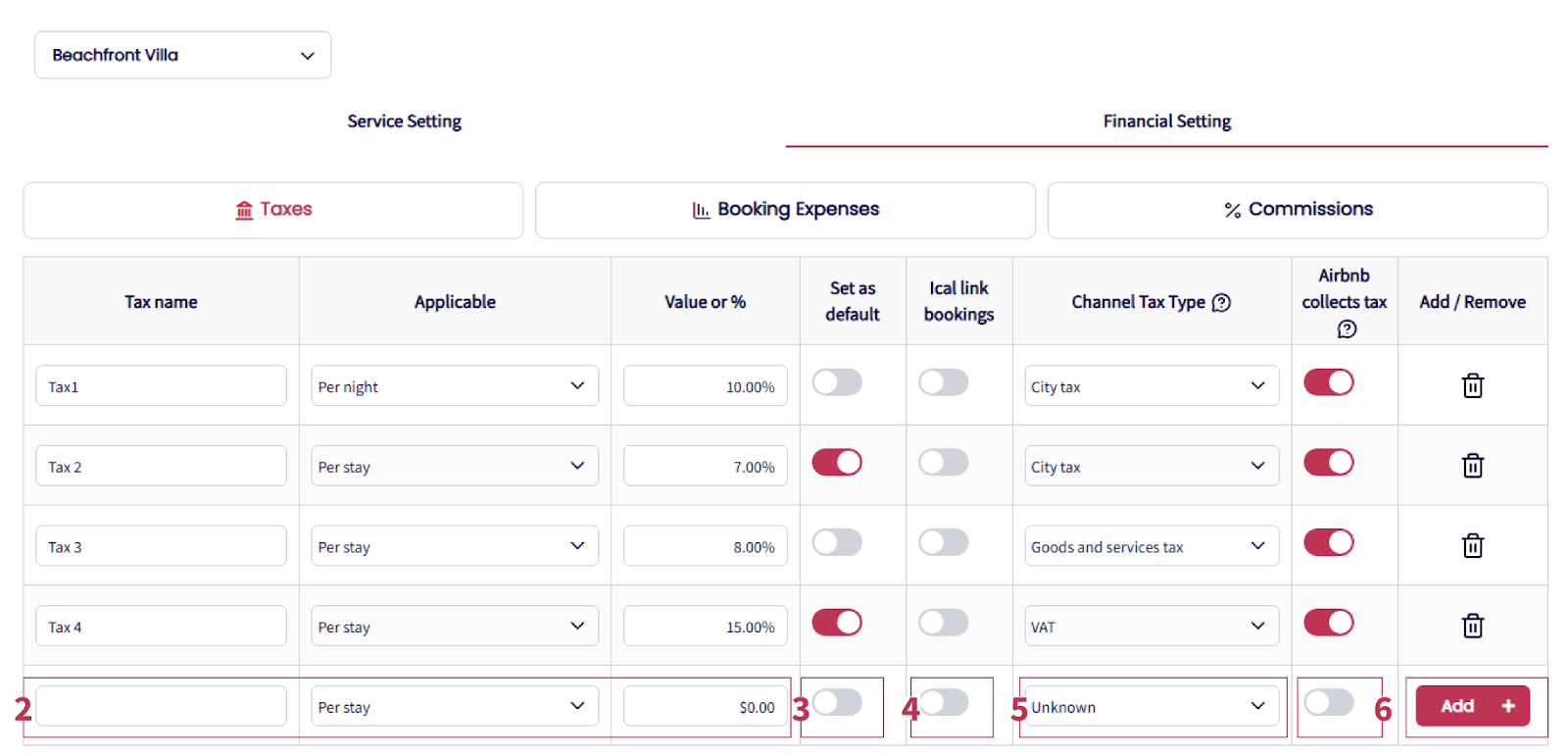
The tax settings help you manage taxes from different sources such as Airbnb Tax, and Channel Taxes (City Tax, Local Tax, VAT...). This is automatically accounted for in each of your bookings and helps you control your incomes and expenses more easily in GuestWisely’s Trust Accounting.
1. Click Add+ to add a new tax.
2. Input tax detail.
3. Set tax as default.
4. Set tax for local link bookings.
5. Channel Tax Type: Select the Tax Type that best describes the taxes you are required to charge: it will help when mapping your properties to channels.
6. Activate Airbnb Collects Tax (if applicable).
Booking Expenses
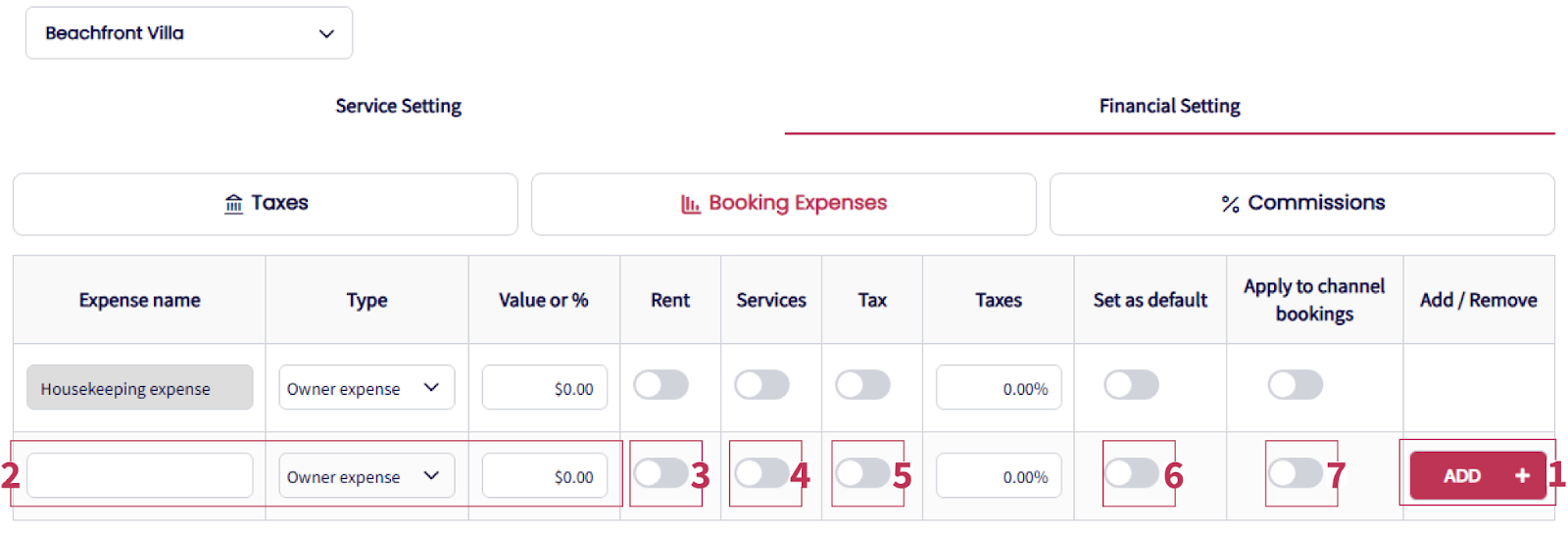
The Booking Expenses module helps you manage expenses from different aspects of each booking. It automatically recorded your expenses in GuestWisely’s Accounting.
1. Click Add+ to add a new expense.
2. Input expense detail.
3. Apply expenses active for Rents.
4. Add expenses to services.
5. Add taxes to expenses.
6. Set expenses as default.
7. Apply expense to Channel Booking.
Commissions
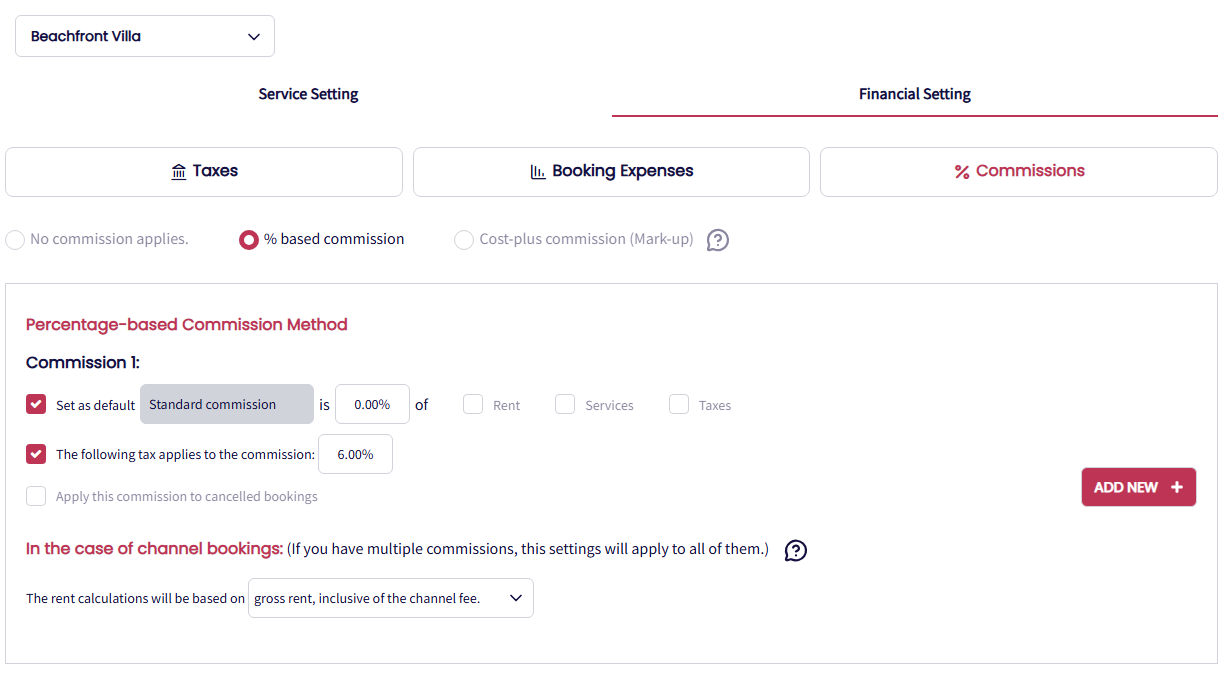
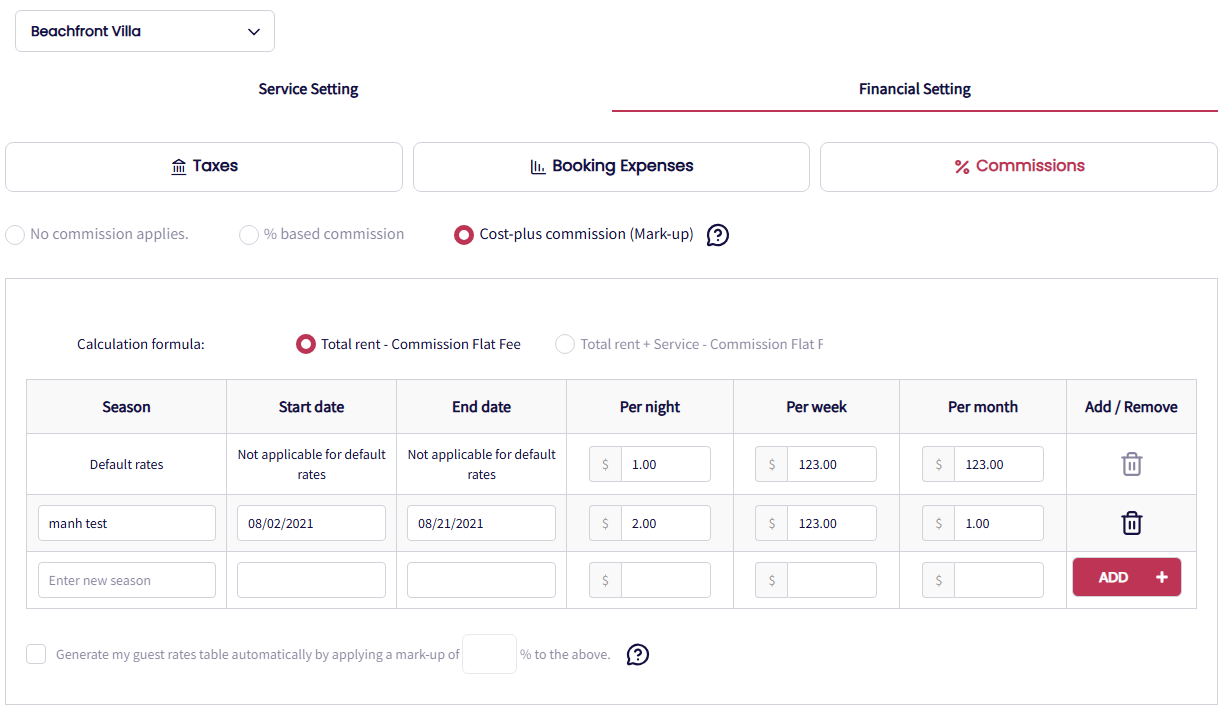
GuestWisely provides different methods to help users calculate their commission, fully support and automatically report commission in the Trust Accounting module
There are three options for Commissions setup:
1. No commission applies: You don’t get any commission from your owner
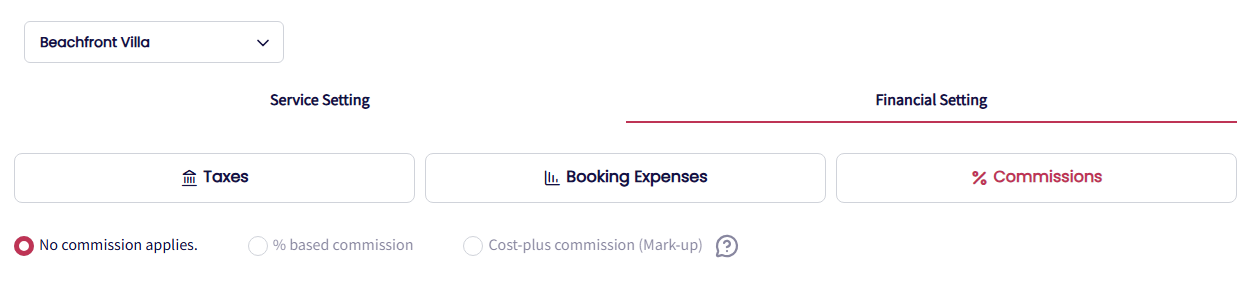
2. % based commission: Calculate with methods and apply your commission to your owner by rents & services
3. Cost-plus commission (Mark-up): You can mark up rates and get a profit margin from your owners
Service Settings
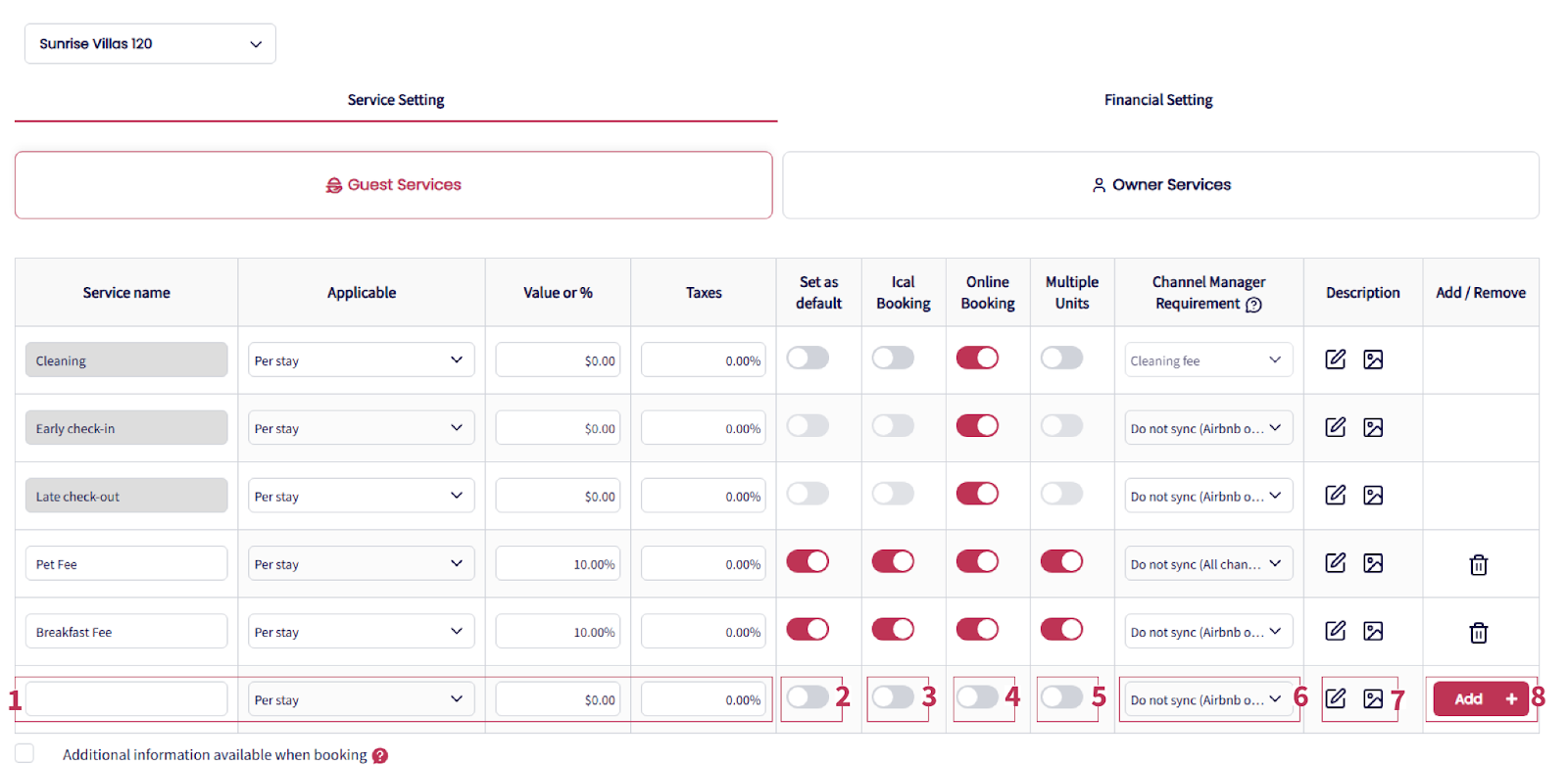
Service modules allow you to arrange your services on your property. These then connect directly to every guest folder detail in Unified Communication and booking detail in Booking Editor.
1. Input service detail.
2. Set service as default (optional).
3. Apply service for local link booking (optional).
4. Apply service for online booking (optional).
5. Apply service for multiple units (optional).
6. Setting Channel Manager requirement.
7. Add description (optional).
8. Click Add+ to add a new service.
Credit Card Fee - Service Setting
For Direct Bookings and Online Bookings (via your website), you can use the Credit Card Fee feature to add Credit Card Fee. The Credit Card Fee is calculated based on the Grand Total of the booking.
Please note that this feature does not apply to channel bookings.
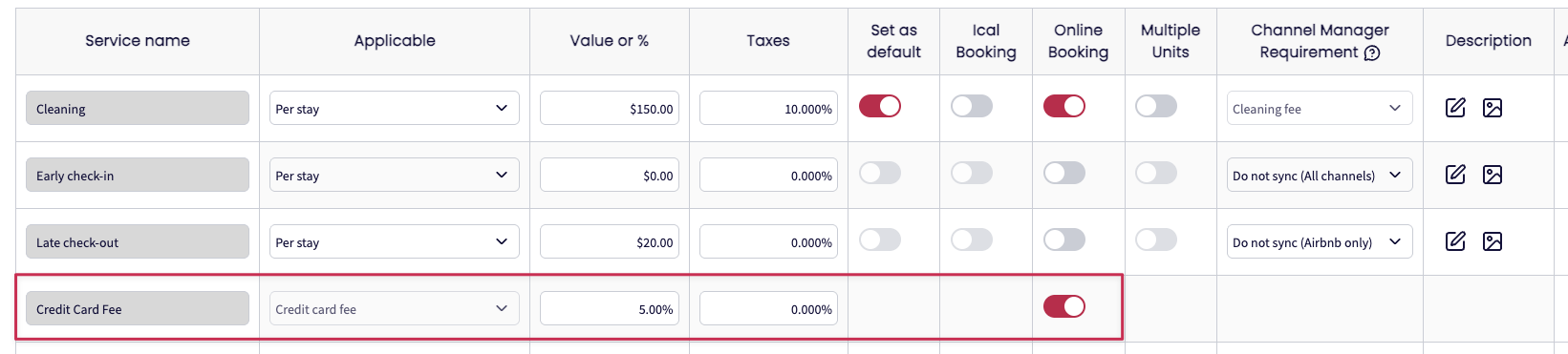
If you would like to apply a credit card fee to channel bookings, you will need to create a Common Service for the credit card fee. Please note that a Common Service is calculated based on the Rent amount only, rather than the Grand Total of the reservation.
If you have any further questions, please don't hesitate to contact our Support Team at support@guestwisely.io. We'll be more than happy to assist you.
Was this article helpful?
That’s Great!
Thank you for your feedback
Sorry! We couldn't be helpful
Thank you for your feedback
Feedback sent
We appreciate your effort and will try to fix the article